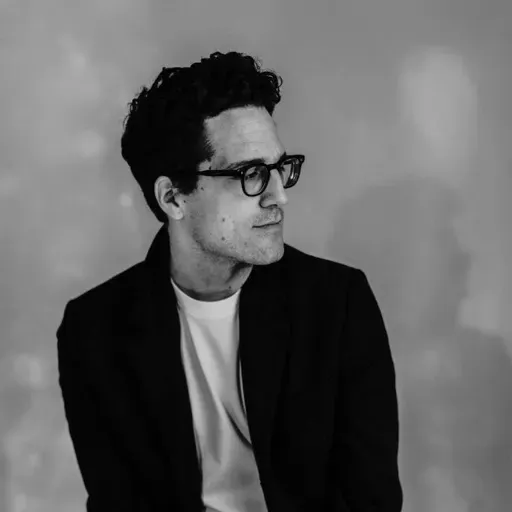
Episode 550: Jesse Ruben: Chronic Lyme Disease, Music, Remission, Relapse, and the Long Road Back
Tick Boot Camp
Singer-songwriter and Lyme disease advocate Jesse Ruben joins the Tick Boot Camp Podcast for an incredibly honest, emotional, and deeply educational conversation about chronic Lyme disease, identity loss, treatment failure, unconventional healing, relapse, nervous system trauma, and the role of music and community in survival.
Jesse’s journey spans more than a decade and includes misdiagnosis, years of antibiotic treatment, experimental therapies, remission, relapse during the pandemic, gut microbiome restoration, nervous system healing, and ultimately a renewed sense of purpose through advocacy and art.
This episode is essential listening for anyone navigating chronic Lyme disease, supporting someone who is sick, or questioning whether healing is still possible.
Jesse Ruben’s Early Life and Music Career
Jesse grew up outside Philadelphia, surrounded by music, creativity, and curiosity. While he jokes that his songwriting degree was “a very expensive, useless piece of paper,” the competitive creative environment of music school helped sharpen his storytelling voice.
By his early 20s, Jesse was living in New York City, touring, running marathons, and building momentum as an independent musician. He had just completed his third New York City Marathon, was in peak physical condition, and his career was accelerating—until his health began to unravel.
The Onset of Illness: When Lyme Disease Took Everything
Jesse’s first red flag appeared when he became short of breath climbing subway stairs, despite being a marathon runner. Soon after, nausea, dizziness, headaches, neurological symptoms, and crushing fatigue followed.
On Christmas Day 2012, Jesse developed what seemed like a flu that never went away. Over the following months, symptoms escalated dramatically:
Severe fatigue that made basic movement impossible
Brain fog and memory loss
Crawling sensations under the skin
Air hunger and dizziness
Anxiety, depression, and mood changes
Weight loss and neurological dysfunction
Despite seeing 15 doctors over nine months, Jesse received conflicting diagnoses ranging from vitamin deficiencies to fibromyalgia and lupus. Every test came back “normal.” Insurance denied coverage. Doctors told him he would “have to live with it.”
During a national tour, Jesse was so debilitated that a friend physically lifted him onto the stage to perform, then carried him back to the van afterward.
Eventually, through relentless self-research, Jesse discovered a symptom list online that finally connected the dots: Lyme disease.
Diagnosis and Early Treatment Failure
Jesse was ultimately diagnosed at the Morrison Center in New York City, where testing confirmed:
Lyme disease
Babesia
Mycoplasma
His initial treatment path included:
6 months of oral doxycycline
18 months of IV azithromycin
Antiparasitics
Mepron (for Babesia)
Antifungals, antivirals, supplements, and Chinese herbs
Despite years of treatment, nothing produced lasting improvement. Jesse describes his life during this period as being reduced to pill schedules, doctor visits, and survival mode.
The Game Changer: Chelation and Ozone Therapy
After nearly three years with minimal progress, Jesse’s provider, Dr. Gerald (“Jerry”) T. Simons at the Morrison Center, suggested a more experimental approach: chelation combined with ozone therapy.
Jesse underwent IV chelation and ozone therapy multiple times per week for several months.
The results were dramatic.
Nearly all of Jesse’s symptoms resolved, and for the first time, he felt like himself again. Even years later, booster ozone treatments helped stop symptom flares before they escalated.
🔗 Learn more about Dr. Simons and the Morrison Center: https://www.morrisonhealth.com/staff/gerald-t-simons-pa-c/
Remission, Identity Loss, and the Hidden Trauma of Healing
Jesse entered remission around 2016, but recovery wasn’t simple.
While his body improved, his nervous system remained dysregulated, leaving him:
Angry
Hypervigilant
Emotionally reactive
Afraid symptoms would return
Lyme disease had stolen not only his health but his identity as a musician, partner, and person. Re-entering the world—socially, professionally, and emotionally—was deeply challenging.
Music Born From Illness
Jesse channeled his experience into music that resonated deeply with the Lyme community.
🎵 Monster
Written from a voice memo recorded at 4:45 a.m. during a rare moment of mental clarity, Monster captures the fear, rage, and disbelief of living in an invisible war within your own body.
🔗 Watch “Monster”: https://www.youtube.com/watch?v=xJQKVSA_7Gw
🎵 This Is Why I Need You
Written after Jesse entered remission, this song is a tribute to the doctors, nurses, friends, and strangers who carried him through the darkest years.
It has since surpassed tens of millions of streams worldwide.
🔗 Watch “This Is Why I Need You”: https://www.youtube.com/watch?v=C4NgsbkyeJs
Generation Lyme: Turning Pain Into Purpose
Jesse co-founded Generation Lyme, now the largest provider of online Lyme disease support meetups in the world.
For more than six years, Jesse has hosted weekly meetups, helping newly diagnosed patients find community, guidance, and hope.
🔗 Listen to the Tick Boot Camp Generation Lyme episode: https://tickbootcamp.com/episode-250-generation-lyme-an-interview-with-brooke-stoddard-jennifer-hoffmann-jesse-ruben-and-haley-dibiase/
Relapse During the Pandemic and Gut Microbiome Collapse
In 2021, Jesse relapsed after contracting Giardia, likely due to immune vulnerability from years of antibiotics and chronic illness.
Symptoms persisted for years and included:
Severe GI dysfunction
Weight loss
Neurological symptoms
Vision changes
Heightened anxiety and isolation
Traditional GI doctors labeled it IBS, offering no real solutions.
Fecal Microbiota Transplantation (FMT): Resetting the Gut
Desperate for answers, Jesse pursued Fecal Microbiota Transplantation (FMT) through the Purety Clinic.
FMT helped:
Restore gut microbiome diversity
Improve sleep
Reduce inflammation
Stabilize nervous system responses
🔗 Learn more about FMT at Purety Clinic: https://www.puretyclinic.com/fecal-transplant
Ketamine Therapy: Healing the Nervous System
Despite physical improvement, Jesse’s nervous system remained stuck in fight-or-flight. In late 2024, he began IV ketamine therapy at the Atlanta Ketamine Center.
The impact was profound.
Ketamine helped Jesse:
Regulate his nervous system
Release years of stored trauma
Rebuild emotional safety
Restore gratitude for life
Heal his marriage
Reconnect with creativity
🔗 Atlanta Ketamine Center: https://atlantaketaminecenter.com/
Jesse describes ketamine as “30 years of therapy in 90 minutes” and credits it with saving his marriage, career, and life.
A New Chapter: Healing, Music, and Meaning
Today, Jesse is:
Releasing new music
Touring through intimate house concerts
Continuing Lyme advocacy
Hosting Generation Lyme meetups
Building a future with his wife
Prioritizing joy, creativity, and presence
He no longer measures success by fame—but by impact, connection, and purpose.
Final Thoughts
Jesse Ruben’s story is a powerful reminder that chronic Lyme disease is real, recovery is nonlinear, and healing often requires addressing infection, gut health, and the nervous system together.
Most importantly, his journey proves that even after years of suffering, life can still expand, soften, and become meaningful again.
🎧 Listen to the full episode now🎶 Explore Jesse’s music and advocacy🤝 Share this episode with someone who needs hope
You are not alone—and healing is still possible.