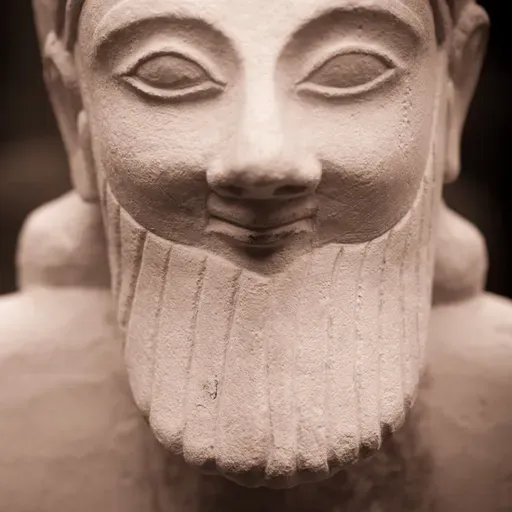
OK so "Vikings in Cyprus" is a bit hyperbolic as the term Viking tends to suggest pre-Christian marauding warriors who pillaged and plundered all over Europe -- which Cyprus didn't experience. But Scandinavians? Most certainly!
Over the past couple of months, I have been scouring the sources for references to Scandinavians and their presence in Cyprus. So far, I have identified four key witnesses to this phenomenon, all from different parts of the Scandinavian world. Chronologically they are:
The Danish cleric Saxo Grammaticus, who first writes of King Erik the Evergood of Denmark's death and burial on Cyprus while travelling to the Holy Land (circa 1103);
The Icelandic abbot Nikulas Bergsson, who records the presence of a contingent of the Varangian Guard* stationed in Paphos;
King Sigurd the Crusader of Norway who stayed on Cyprus for sometime (c. 1107) before visiting Miklagaard ("The Great City," i.e., Constantinople), as recounted by the famous Icelandic writer Snorri Sturluson;
and finally St. Birgitta of Sweden, whose foreboding words to the Latin rulers of Cyprus come to us directly from her own testimony (14th century).
Together, their works offer rare but compelling evidence that Cyprus was not merely a distant waypoint, but a meaningful hinge between the West and the East within the wider world of medieval Scandinavian travel, devotion, and crusading activity.
Please enjoy this bonus content of the dramatized excerpts (excerpts from all four have been included here in one extended Primary Source recording). Though I'd love to have a guest on the show to talk about the relationship between Scandinavia and Cyprus, I don't believe this has been explored in academia as I have not found any published paper. But the search continues!
**Famed for their loyalty and ferocity, the Varangian Guard was a contingent of Scandinavian, Anglo-Saxon and Rus mercenaries that served as a personal guard to the Emperor in Constantinople.