Many homeowners assume their insurance policy will automatically protect them in any situation. However, the way a property is owned and occupied can significantly affect how insurance coverage works. On a recent episode of the Peace of Mind radio show, Mark and Kathy Moore discussed why aligning your insurance policy with the legal ownership and use of your property is essential to avoiding coverage gaps.
Why Property Ownership Structure Matters (0:42 – 1:32)
Most people own their primary residence in their personal name, often jointly with a spouse. In those cases, a standard homeowners insurance policy usually works well.
However, some properties are owned differently. For example, a property might be owned by:
A Limited Liability Company (LLC)
A trust
A corporation
Insurance companies need to know exactly how a property is titled, because the insurance policy should match the legal ownership. If the ownership structure and the insurance policy do not align, problems can arise when a claim is filed.
Another important factor is how the property is used. Insurance companies will want to know whether the property is a primary residence, a secondary home, a seasonal property, or used for another purpose. A home that is vacant or only occupied occasionally presents a different risk than one occupied year-round.
When an LLC Owns the Property (2:02 – 3:34)
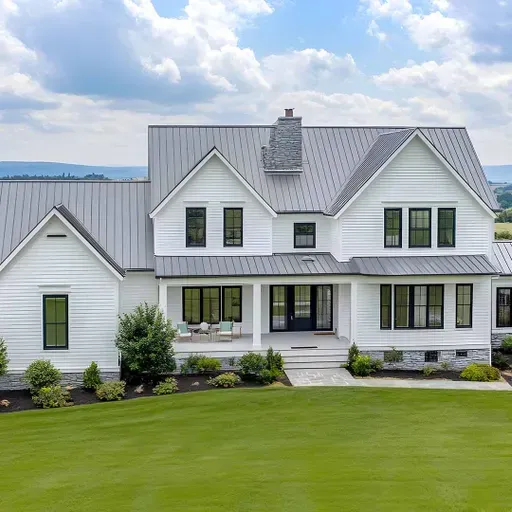
Mark Moore shared an example involving a house that was owned by an LLC. From the outside, it looked like any other home in the neighborhood, but legally the ownership was different because the limited liability company owned the house while an individual lived there.
Because LLC ownership is typically associated with business entities, some insurers treat the risk differently than a standard homeowners policy. While some companies will write coverage with the LLC listed as the named insured, it must be structured properly.
In that situation, the home eventually burned down and there were complications with the claim. The case highlights how important it is to ensure the policy structure matches the ownership of the property.
When the Building and Contents Have Different Owners (3:34 – 4:36)
Another issue can arise when the home itself and the personal belongings inside it are owned by different parties.
For example, if an LLC owns the building but individuals live in the property, two different types of coverage may be required:
A policy covering the building in the LLC’s name
A renter’s policy covering the personal belongings of the individuals living there
Items such as clothing, furniture, televisions, and appliances that are not permanently attached are considered personal property. If those items belong to individuals rather than the LLC, they need their own coverage.
A renter’s policy also includes liability coverage, which is an important protection many people overlook.
Why Renters Insurance Is Important (4:39 – 6:05)
Renters insurance is often inexpensive but can be extremely valuable. Mark Moore recalled seeing an apartment complex fire in Atlanta that his agency insured. While the building itself had insurance coverage, many tenants likely did not have renter’s policies to protect their belongings.
Today, many landlords require tenants to carry renter’s insurance, but that was not always common. These policies typically estimate personal property coverage based on the size of the residence and number of rooms. Renters can then adjust the coverage amount to better reflect the value of their belongings.
Liability Coverage and Everyday Risks (6:05 – 7:05)
Liability coverage is one of the most important parts of a renter’s policy. Without liability protection, tenants may be personally responsible if someone is injured due to something related to them or their property. A common example is a dog bite. If someone’s dog bites another person and the owner has no liability insurance, the financial responsibility could fall entirely on the dog owner. Animals can also create liability risks in other ways. Livestock such as horses or cattle could cause accidents if they enter a roadway.
Why Landlords Often Require Renters Insurance (7:29 – 8:17)
Property owners who rent out homes or apartments should make it clear that their insurance policy does not cover the tenant’s personal belongings. Many landlords now require tenants to carry renter’s insurance that includes liability coverage. In some cases, landlords may also request to be listed as an additional insured on the liability portion of the tenant’s policy. This provides another layer of protection if someone is injured on the property.
Understanding Additional Insured Protection (8:17 – 9:21)
When a landlord is listed as an additional insured on a tenant’s policy, it can help protect the landlord if a claim occurs.
For example, if someone is injured at the property and files a lawsuit, both the tenant and the property owner may be named in the claim. In that case, the tenant’s liability policy typically responds first, and the landlord’s policy would only come into play if additional coverage is needed.
This layered approach helps reduce risk for the property owner.
Complex Property Ownership Structures (9:22 – 10:27)
Insurance can become more complicated when properties involve multiple ownership entities.
Mark Moore described a situation where:
The building was owned by one LLC
A condo unit inside the building was owned by another LLC
The condo was leased to a restaurant
Each entity needed liability coverage. Leaving one entity uninsured would mean that entity would have no liability protection if a lawsuit occurred.
In some cases, insurers can combine liability coverage onto one policy when there is common ownership, but the coverage limits would then be shared.
Changes in Property Use Can Affect Coverage (14:04 – 15:32)
Even when ownership remains the same, changes in how property is used can affect insurance coverage.
For example, a property owner may have vacant land insured with a basic liability policy. However, the risk changes if the land begins to be used for activities such as:
Adding livestock
Leasing the land to someone else
Harvesting timber
Allowing hunting on the property
Beginning construction or development
If these activities start and the insurance company is not informed, there may be gaps in coverage. When contractors or companies work on your property, it is also wise to request certificates of insurance showing that they carry liability and workers’ compensation coverage.
Protecting Yourself With Liability and Workers’ Compensation (16:27 – 20:05)
Mark Moore shared an example from his own experience involving land inherited from his father that was placed into an LLC. The property is leased to a tenant who keeps livestock there.
To manage potential risks, both parties carry liability coverage:
The LLC has its own liability policy
The tenant carries liability coverage for his livestock
This type of setup can help protect both the landowner and the tenant if something happens, such as an animal causing an accident.
Another important issue discussed was workers’ compensation coverage. Some business owners believe they do not need workers’ compensation if they have fewer than three employees or classify workers as independent contractors. However, that does not remove the potential liability if someone is injured while working. Because of that risk, many insurance professionals recommend maintaining workers’ compensation coverage whenever people are being paid for labor.
Final Thoughts
Your home, land, or business property is often one of your largest financial assets. The way that property is titled, occupied, and used plays a major role in how your insurance coverage works. Making sure your insurance policy accurately reflects ownership structure, occupancy, and property use can help prevent serious problems when a claim occurs. If anything about your property changes, it is important to notify your insurance agent so your coverage can be updated accordingly.