Podcast Packets
Illustrations
Lead Sheets
Play Alongs
Forums
Jazz Piano Skills Community
Summary
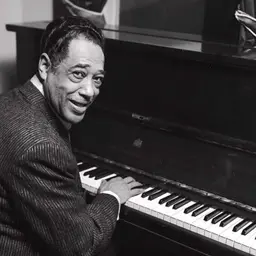
In this episode, Dr. Bob Lawrence explores the harmonic structure of Duke Ellington's Satin Doll, emphasizing the importance of understanding relationships over memorizing chords. He shares practical insights on harmonic analysis, voicings, and how recognizing musical relationships enhances jazz improvisation and comprehension.
Keywords
Jazz piano, harmonic analysis, Satin Doll, jazz standards, voicings, jazz improvisation, music theory, jazz education
Key Topics
Harmonic analysis of Satin Doll
Common harmonic movements in jazz standards
Types of jazz voicings: block, shell, two-handed
Recognizing harmonic relationships beyond chords
The importance of understanding harmonic function
Practical application of voicings at the piano
The seven musical facts of music
How to think in terms of relationships, not isolated chords
Using harmonic analysis to become more musical
Sound Bites
"Harmonic function is what makes music understandable"
"Recognize more relationships, not just chords"
"Music isn't nearly as complicated as it first appears"
Chapters
00:00 Introduction to the lesson and the focus on Satin Doll
01:02 The importance of understanding harmonic relationships in jazz
02:03 Exploring the form and harmonic vocabulary of Satin Doll
03:02 Why musicianship is about understanding relationships, not just memorizing tunes
04:31 The seven musical facts of music and their relevance
05:31 Analyzing the form and harmonic structure of Satin Doll
17:38 Harmonic analysis: seeing beyond individual chords
Support the show