Raj M. Desai: Rethinking Development Finance in an Age of Shrinking Aid
DevelopmentAid Dialogues
International development is heading into a crunch moment, and this episode with Professor Raj M. Desai puts numbers, mechanisms, and politics around what “shrinking aid” really means for countries that still depend on it—especially in the context of USAID cuts and the growing push toward blended finance. In this episode of DevelopmentAid Dialogues, podcast host Hisham Allam speaks with Desai, a leading scholar of foreign aid and development finance at Georgetown University and the Brookings Institution, about how the sharp fall in official development assistance is reshaping global development and what options remain for countries trying to close financing gaps.
The conversation opens with Desai’s diagnosis of why aid is falling just as needs spike: long-standing donor fatigue, the fiscal and political aftershocks of conflicts and refugee crises, and lingering budget pressures from the 2008 financial crash. He explains that foreign aid has become an easy political target in many donor countries, with bipartisan support in the United States for shrinking budgets and European donors increasingly redirecting funds to refugee resettlement and security spending at home, tightening the space for traditional development programs and setting the stage for debates on USAID cuts.
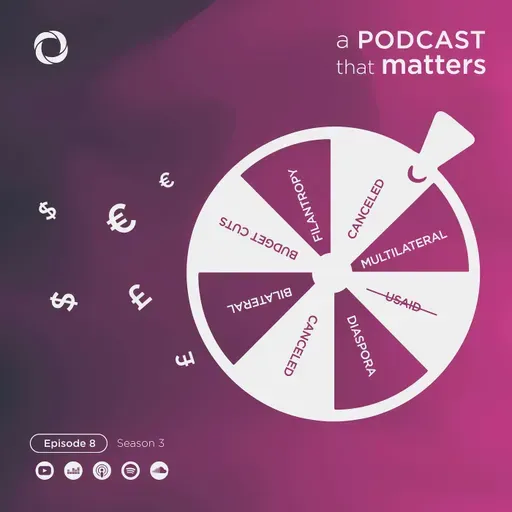
Desai then outlines five strategies for countries facing declining concessional flows: mobilizing more domestic revenue, tapping diaspora financing, engaging cross-border philanthropy, expanding the use of blended finance and impact investment, and working more actively with newer bilateral and multilateral donors. He stresses that remittances, diaspora bonds and structured instruments can all play a role, and that newer players such as China, Gulf countries and emerging-economy funds could expand options if recipient governments strengthen their own aid coordination systems and avoid fragmented deals that respond only to short-term shocks like the 2025 USAID cuts rather than long-term development strategies.
In the final part of the discussion, Desai connects the projected collapse of U.S. development assistance—from roughly US$65 billion to about US$10 billion per year by 2026—to the broader need for joint financing frameworks that integrate domestic revenue, philanthropic flows, private capital and official aid around national priorities. He calls for open data architectures, better tracking of cross-border philanthropy, and unified strategies that align domestic resource mobilization, diaspora investment and blended finance, arguing that in an era defined by the USAID cuts and the organization’s dismantling and more volatile financial flows, the future of development finance will depend on combining smarter public oversight with genuine country ownership instead of treating new instruments as a simple fix for shrinking aid.
Listen to the full episode on DevelopmentAid Dialogues. Stay informed. Stay engaged.
The podcast is sponsored by DevelopmentAid. Procurement notices, funding and grants to opportunities, lists of potential partners, insights into market trends, databases of development professionals, webinars, latest news, and much more. Stay informed and connected.
Subscribe and Stay Connected